Series 2 - 23.7.24 Permacomputing from an antipodean perspective
Permacomputing an antipodean perspective towards decolonising digital culturescapes. Nancy Mauro-Flude will attend to the possibilities and limitations of Permacomputing by delving into the politics of our computing habits (i.e., data storage); to think through how we may occupy digital spaces otherwise, envisioning possibilities akin to inhabiting a room within a bag of stars.
A set of principles that are a work in progress are introduced. The audience is invited to contribute, modify, expand, and constructively critique in a collaborative text editor to nurture the value of counter-expertise, examining how such alternatives can adequately address on-the-ground complexities when broaching the challenges of preserving complex cultural heritage.
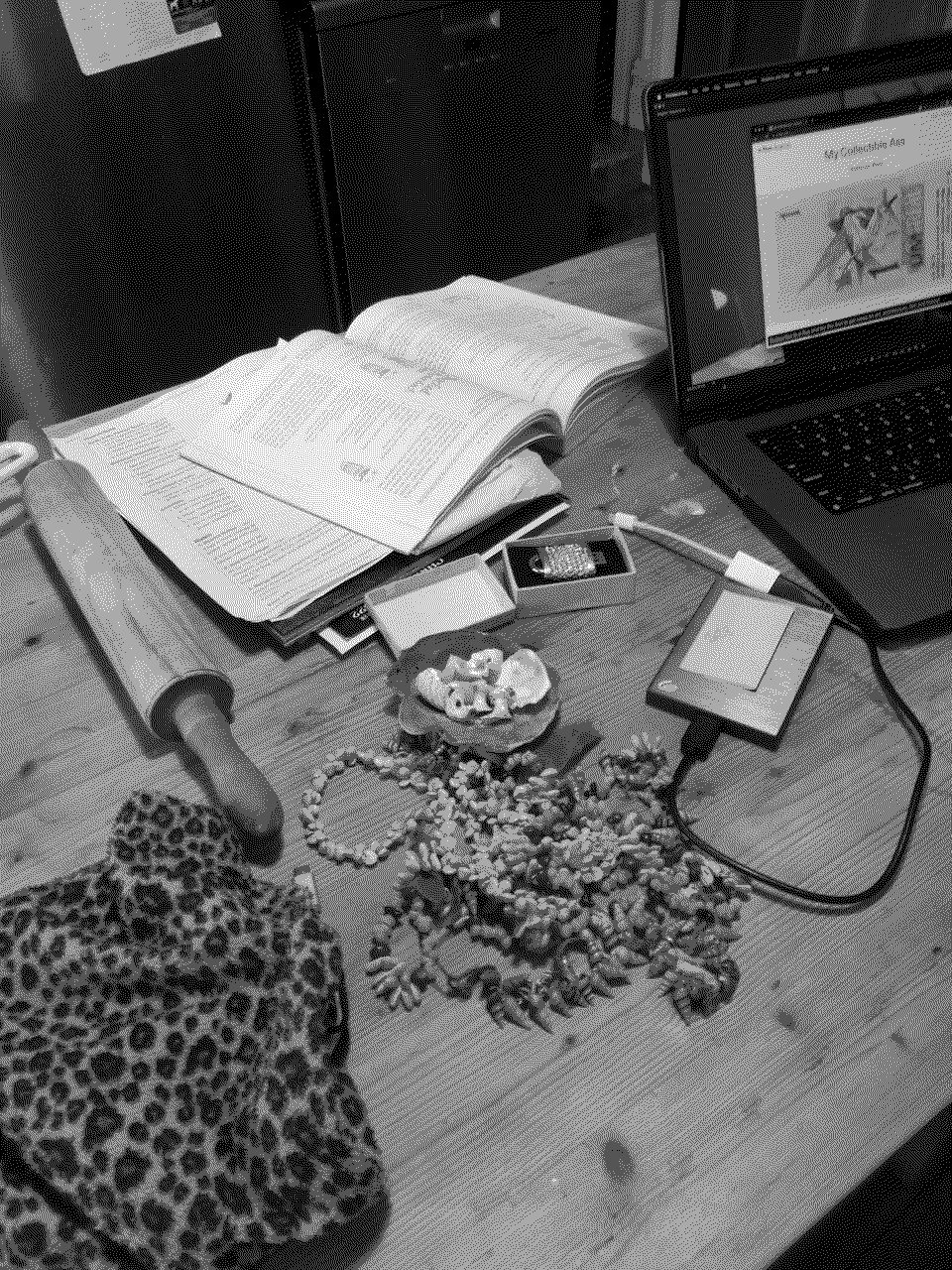
Touching on the techniques of Holistic Computing Arts, people are encouraged to consider their everyday computing rituals to cultivate a more reciprocal awareness of how digital communication forms part of our shared ecosystem and our “culture scape” (Gough 2014). It is suggested that by increasing understanding of our computing routines, we delve into the interconnected cycle of perception, experience, and language, which plays a crucial role in shaping our digital interactions within the ecosystems we inhabit.
This presentation was made possible by the Australian Government’s Regional Arts Fund, which supports the arts in regional and remote Australia.
The intricate entanglement of international and local markets is broadly recognised in contemporary globalised economies. Open discussions about our experiences, challenges, and aspirations, we explore the materiality of computing and gain insights into its environmental impact (for instance, the carbon footprint of sending an email). If we are more able to contemplate how we navigate our personal computing infrastructure and our expectations around these conventions: the customs of sending and receiving an email, the provenance of hardware, file formats, directories/folders, the minerals and vessels we keep our data in and the space, and the lands these may occupy. Through our exploration, we will expand our understanding of digital infrastructure as a dance of computation for a more holistic, aesthetic and culturally informed relationship with digital technology. Focusing on our vernacular computing rituals reveals the intricate relationship between real and fictional spaces we co-create with our computing devices.