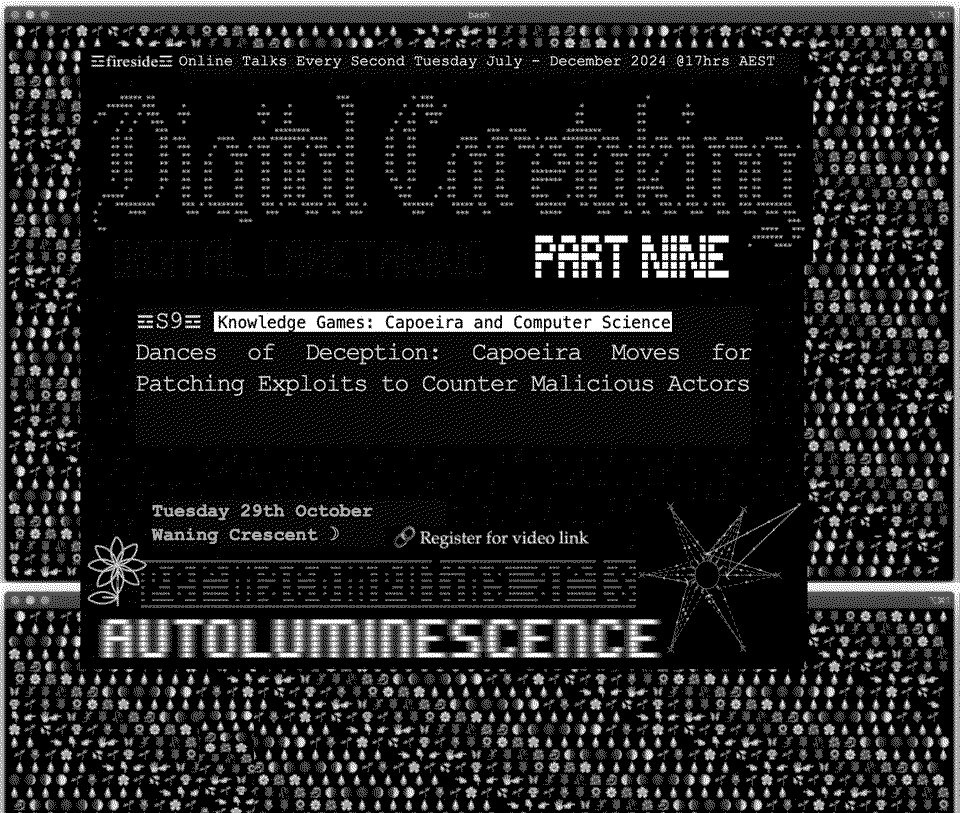
Series 9 - 29.10.24 Waning Crescent ☽ Dances of Knowledge Games Capoeira and Computer Science
1700hrs AEST
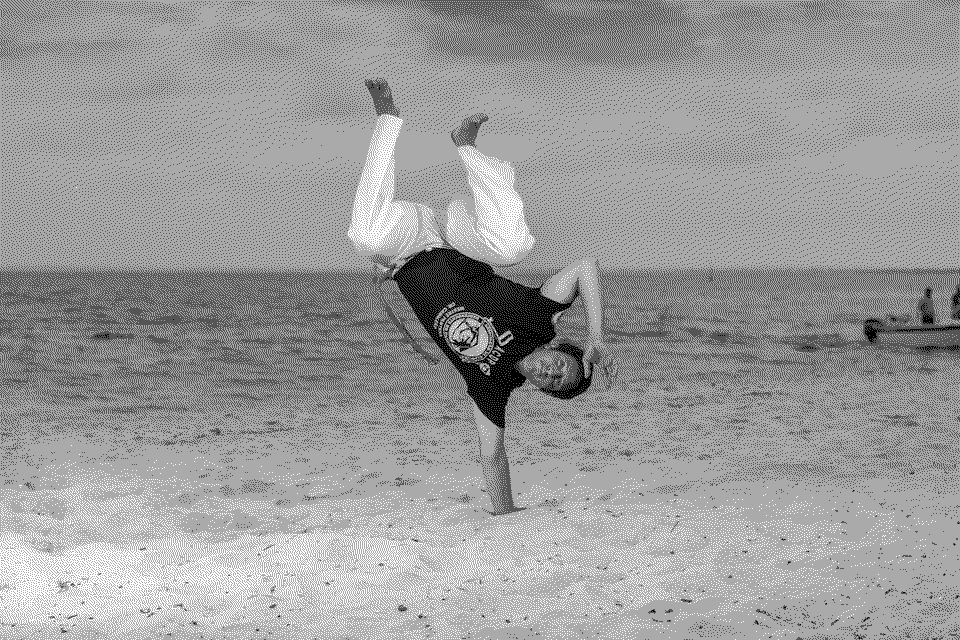
In Fireside ☲Series 9 ☲ we dance to the variegated beats of Damiano Spina Valenti, reflecting on his passions as a Capoeirista and Computer Scientist to demonstrate how these disciplines complement each other.
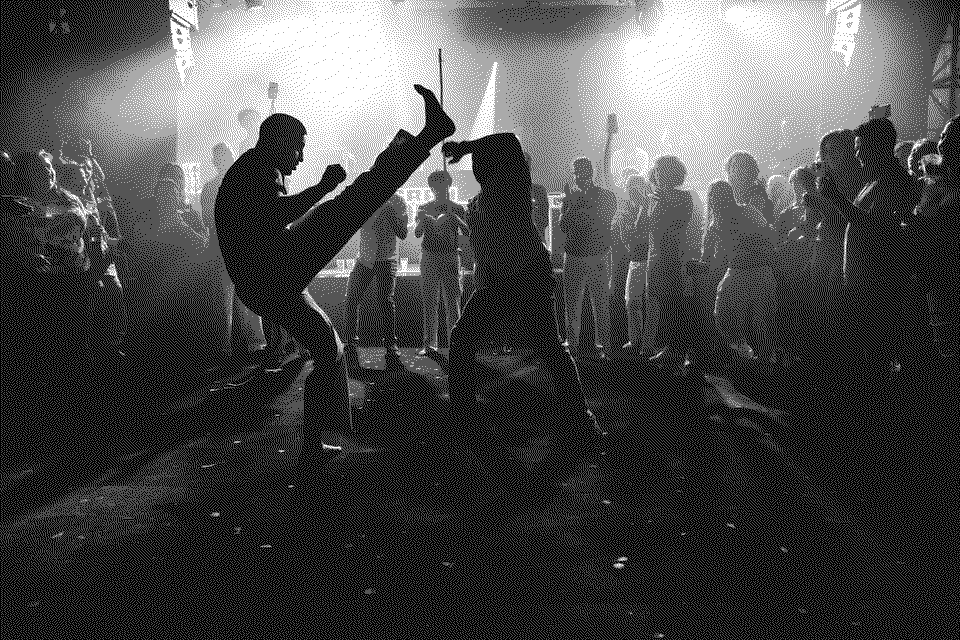
In this session, Damiano and Nancy will explore two worlds of Capoeira and Computer Science from the lens of a practitioner, educator, and researcher. What do they have in common?
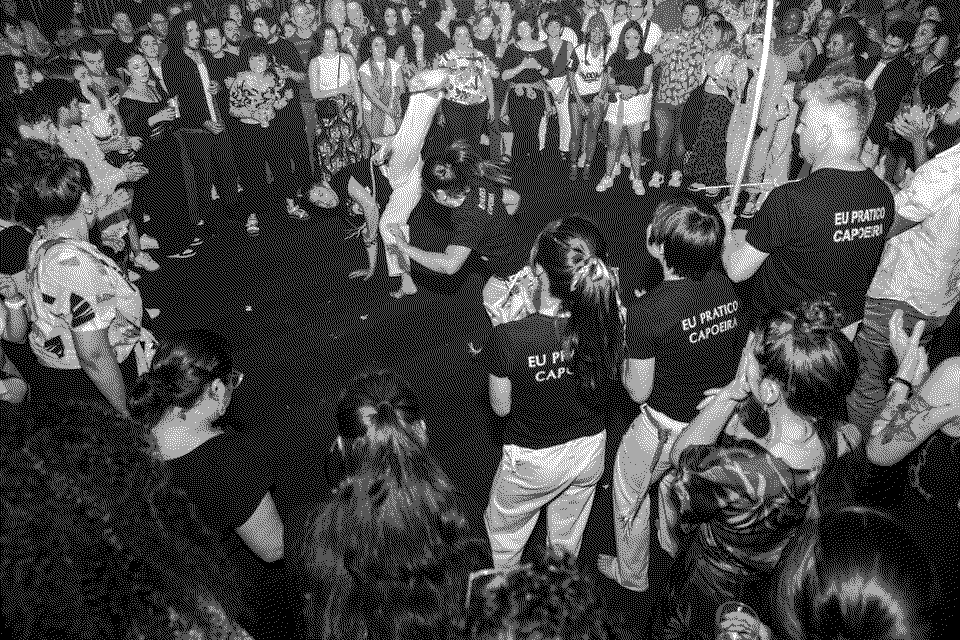
One was born from peoples from different nations sharing the need to resist oppression during slavery in Brazil and preserve their culture and hope of freedom. The other looks at enabling our society to have better access to information, solve complex problems, increase productivity, enhance creativity, etc. Damiano will show some examples of how he applied learnings from one discipline to another, and vice versa.
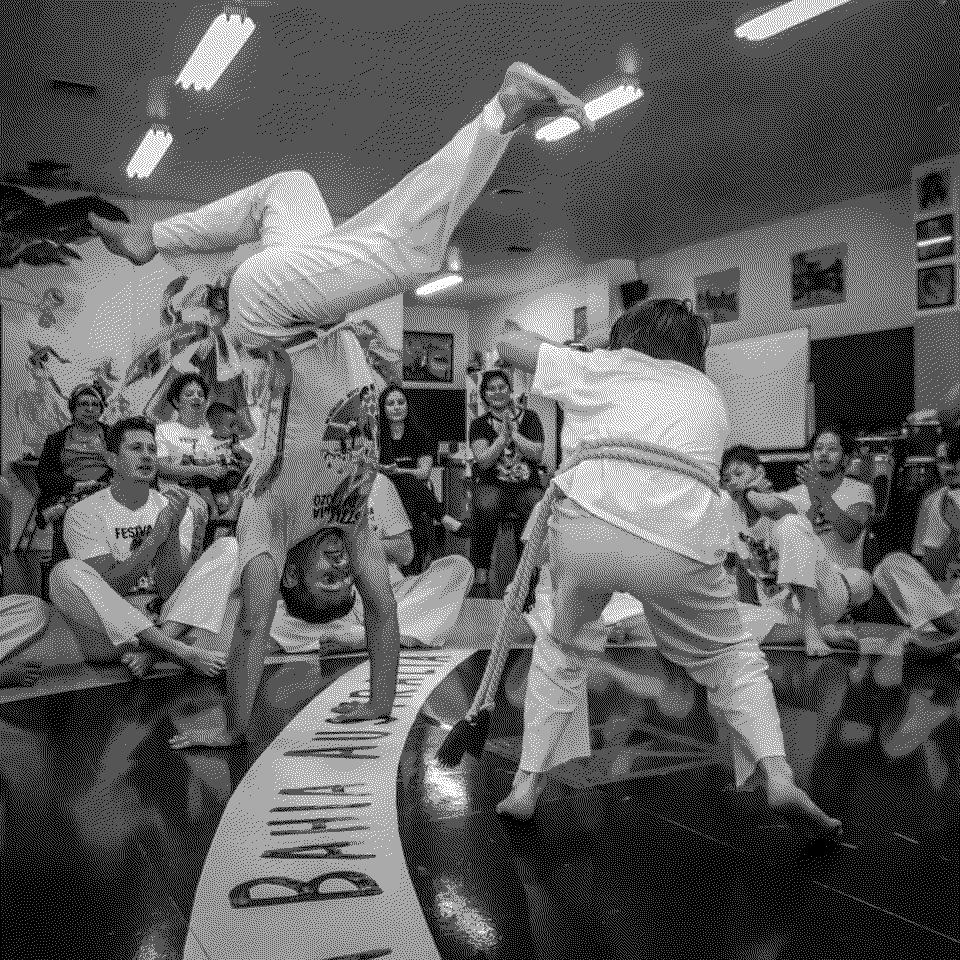
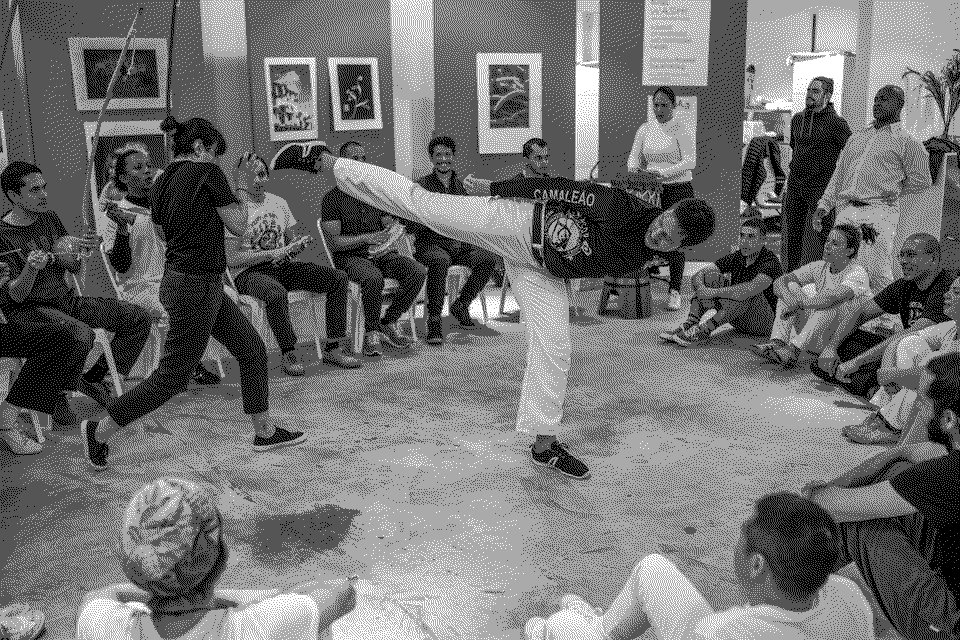
Damiano Spina aka Contramestre Camaleão is an Italo-Argentinian Capoeirista, percussionist, singer, and composer based in Melbourne/Naarm, Australia. Damiano started his artisitc journey when he was 14, when he started to train Capoeira (an Afro-Brazilian martial art) with Mestre Pantera in Spain. In Capoeira, where he is also known as Contramestre Camaleão, he learned to play berimbau, pandeiro, atabaque, agogô, reco-reco, and found his passion to the Afro-Brazilian folklore and, in particular, Samba.
In 2012, he received his cordel azul (Aluno Formado) by his Mestre Pantera at the Centro Cultural Itineranti of Mestre Poeira in Padre Miguel, RJ, Brazil. In 2015, he moved to Melbourne and co-founded the project Wombatuque Wombatuque plays classic and original ‘Samba de Raiz’ tunes. Damiano has performed in renowned venues in Melbourne such as Bar Open, The Night Cat, Open Studio, The Penny Black, Bar Oussou, Copacabana, Bodriggy, among others. Besides Wombatuque, he had also played with other bands such as MelSamba, Rua, Mario Broder, or Sambrazuka. Damiano is also an active participant of the ‘rodas’ (jam sessions) of Samba in Melbourne. In March 2019 Damiano performed at WOMAdelaide as a collaborator with the percussion group Sambatuka. In 2022, he received his cordel trançado verde-amarelo-azul (Contramestre) by his Mestre Pantera in Valls, Tarragona (Spain). Damiano teaches Capoeira and leads the group ‘Capoeira ACDP Australia’.
Dr. Damiano Spina is a Senior Lecturer at RMIT University, School of Computing Technologies. He is an Associate Investigator at the ARC Centre of Excellence for ARC Centre of Excellence for Automated Decision-Making and Society, ADM+S, and RMIT Research Lead for the Australian Internet Observatory AIO. His research expertise is in the intersection between the fields of Information Retrieval (IR), Human-Computer Interaction (HCI), and Text Analytics. In particular, his research focuses on advancing knowledge in methodologies to better understand human factors in interactive information access and retrieval and responsible AI. These methodologies include axiomatic analysis of evaluation measures, fairness-aware rankings, crowdsourcing, and laboratory experiments with neurophysiological signals captured via multiple wearable devices etc.. Dr. Spina completed his PhD in Computer Science in (2014, UNED, Spain). Previously, he received an M.S. in Language Technologies on the Web (2011, UNED, Spain) and a B.S.D. in Computer Science (2008, Complutense University of Madrid, Spain). Spina’s h-index is 30, with 3,042 citations to his research work (as of October 2024 according to Google Scholar). He has published more than 70 peer-reviewed scientific publications, including articles at major venues such as the conferences ACM SIGIR, CIKM, ECIR, and the journals Information Processing & Management IP&M, CACM, TOIS, JASIST, and PLOS ONE. He serves as an associate editor for ACM TOIS and as an editorial board member for the journals Elsevier IP&M. Spina is a member of the International Panel on the Information Environment (IPIE), announced at the Nobel Prize Summit 2023. He was the General Co-Chair for the ACM Australasian Document Computing Symposium (ADCS) in 2021, Short Paper Co-Chair for ACM CHIIR’24, and Lab Co-Chair for CLEF’25. He is Program Committee member for several conferences, including WWW, SIGIR, KDD, EMNLP, NAACL, CIKM, ECIR, ICTIR, and CHIIR. He has been reviewing renowned Journals, including IP&M, TOIS, EPJ Data Science, ACM TIST, and JASIST, among others. He has received the Best Reviewer Award in 2018 for the IP&M journal. He has experience in co-organising evaluation campaigns (EXIST at IberLef´22, CLEF 2023–2024, RepLab at CLEF 2013–2014) and workshops co-located with international conferences (APhyMeHII workshop at Ubicomp-ISWC'24, CAIR workshop at SIGIR’18 and CHIIR’20, RAMSS workshop at ICWSM-12 and WWW’13). In 2020, Spina was awarded with a Discovery Early Career Research Award (DECRA) by the Australian Research Council, for a total amount of AU$422,022 to investigate fair and transparent information access in spoken conversational assistants. In 2021, Spina was the recipient of the RMIT Research Impact Award (Technology). During his research career, Dr. Spina has collaborated with colleagues in different industry organisations such as the Australian Broadcast Corporation (ABC), Microsoft, Google, SEEK, Real Thing, Abbrevi8, Inference Solutions, and Llorente&Cuenca. He has been an invited keynote speaker at the IEEE DSAA’20 Special Session on Fake News, Bots, and Trolls (virtual), and an invited speaker at the University of Udine (Udine, Italy), The University of Queensland (Brisbane, Australia), Radboud University (Nijmegen, The Netherlands), Tsinghua University (China), UMass Amherst (USA), QUT (Australia), The University of Melbourne (Australia), UNED (Spain), and Complutense University of Madrid (Spain). https://github.com/damiano