Series 11 - 10.12.24 Waxing Gibbous 🌖 Permacomputing in the Arts
18hrs AEST | 15hrs AWST | CET 8am
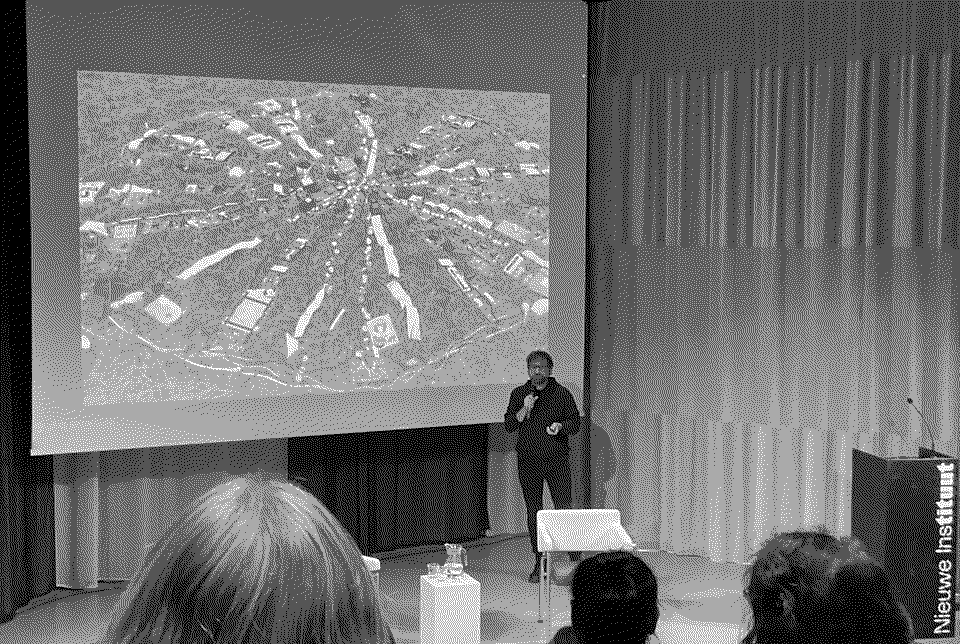
For our SECOND LAST ☲fireside☲ Series 11 on 10.12.24 We are graced with Aymeric Mansoux who will give a overview on his applications of Permacomputing in arts and design for ☲s11☲. A seasoned computer subculture elder. Aymeric Mansoux has been messing around with computers and networks for far too long. CoEditor with Marloes de Valk of awesome FLOSS+ART book. Aymeric is lector reader/professor of practice-oriented research at the Willem de Kooning Academy, Hogeschool Rotterdam. Recent collaborations include What Remains, an 8-bit Nintendo game about whistleblowing and the manipulation of public opinion in relation to the climate crisis; LURK a server infrastructure and collective to host discussions around net/computational art, culture, and politics; and the Permacomputing PMC wiki where a growing number of contributors document and discuss alternatives to extractive mainstream computation.
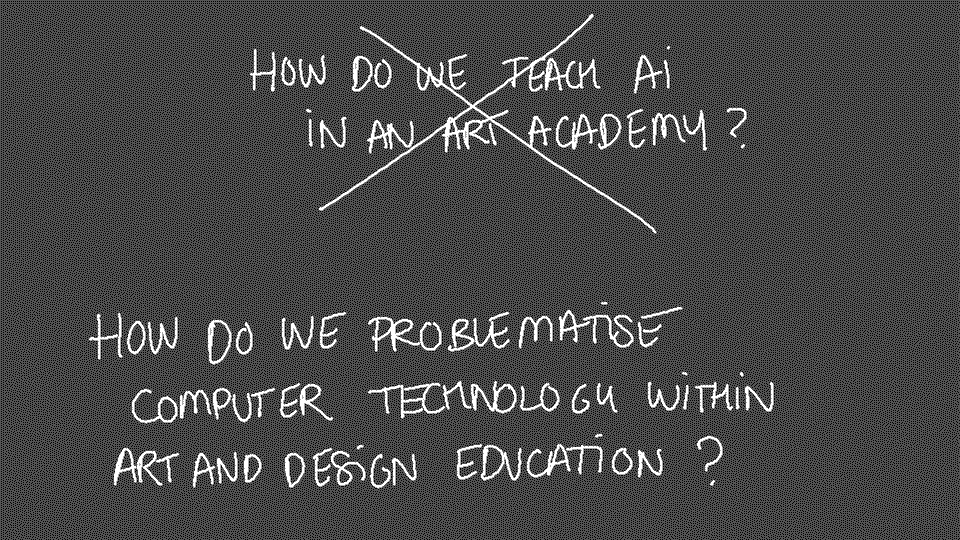
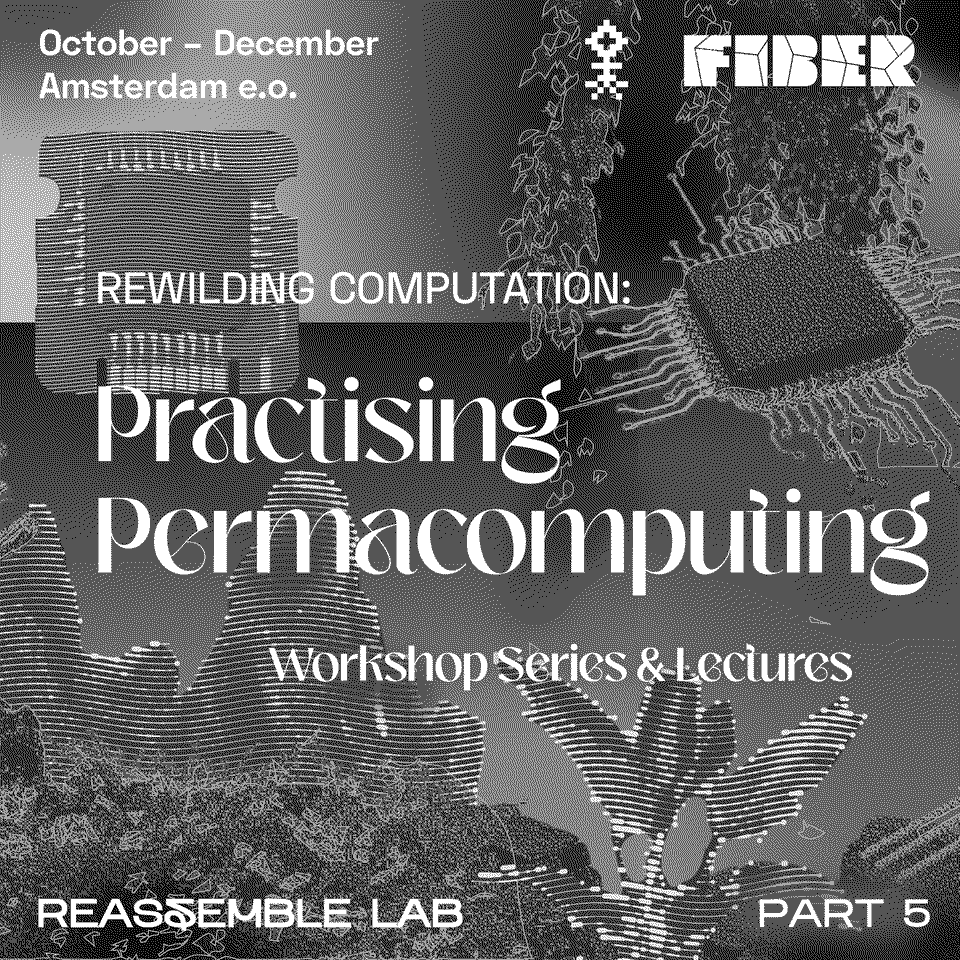
Aymeric will discuss Permacomputing in the Arts and his explorations in workshops to evaluate what degree the concept of permacomputing can be broadened and applied to critically revised ways of making computing part of art and design education and professional practice.
WATCH THIS SPACE FOR Action photo from the last Traces of Power we need to talk about AI event that was organised by Aymeric and WdKA students alum
This is part of a larger research and effort to develop new curricula to support artists and designers materialise and contribute to alternative modes of organisation and production based on strong ecological and cooperative/collaborative values. It seeks to reflect on, experiment and engage with such alternatives while bringing the urgency of the climate crisis and climate justice to art and design education, while remaining critical of technosolutionism and the language of circularity and sustainability. Aymeric once described the Permacomputing approach he takes was based on the premise that could promote a transition from a system in which creative practitioners use the latest digital tools and media, regardless of environmental consequences, to a more strategic system in which digital tools and media of all generations are carefully combined, crafted, and used to form a less extractive practice.
For the past decades, art academies have expanded their curricula from traditional fine art practices, such as painting and sculpture, to work with computer technology. It can take the form of an installation, a performance, a graphic design, a data visualisation, and will often use computer technology for the making, publishing, and circulation of the work. However, artists and designers are not educated to assess to which degree their practice could be environmentally problematic and extractive. This is an issue by itself and gets worse once entering both speculative and applied practices that have the ambition to engage with environmental issues. For instance, a graphic designer can be commissioned to program an interactive website to explain the energy impact of digital media. If the website is programmed in a way that requires resource-intensive computing in data centres and drains the batteries of the visitor’s phone or laptop, then instead of being an exemplary and generative contribution, it risks to remain symbolic, or in a performative contradiction to its stated goal. At worst, it may even be an alibi for environmentally harmful practices and technologies. This is a problem because it seriously weakens and undermines the interdependent relation between the cultural sector, art and design education, and policymaking. It is also a missed opportunity to showcase forward-looking practices that could be both creative and more sustainable.
Other things referred to very briefly that readers might want to take a look at
Reboot exhibition Pioneering Digital Art is an exhibition featuring key works from 1960 to 2000, plus new interpretations by contemporary makers.
What_the_Hack is an an outdoor hacker camp conference event that continues in new iterations, from and around all facets of the worldwide hacker community next is WHY2025 Netherlands.
